Small Town, Big Returns: How Toomsboro Buyers Are Quietly Outpacing the Georgia Market

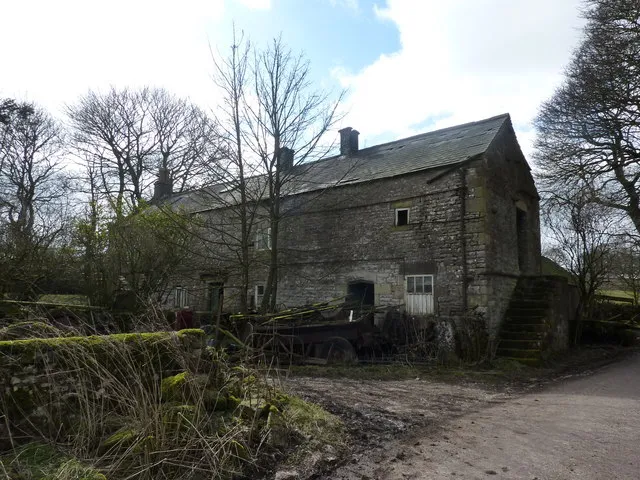
Photo: Mydans, Carl, photographer, CC BY-SA 4.0, via Wikimedia Commons
There's a conversation happening at kitchen tables and on back porches across Georgia right now. It goes something like this: How are we supposed to afford anything? Metro Atlanta's median home price has climbed sharply over the past several years. Savannah isn't far behind. Even mid-sized markets like Macon and Augusta have seen inventory tighten and prices creep upward. But drive out to Toomsboro — tucked into the red clay heart of Wilkinson County — and you'll find a market that still operates by a different set of rules.
This isn't just a lifestyle pitch. The numbers back it up.
What Your Dollar Actually Buys
Let's start with the most straightforward metric: cost per square foot. In the Atlanta metro area, buyers are routinely paying $200 to $350 per square foot depending on the suburb. In Savannah's historic district, that figure climbs even higher. Toomsboro and the surrounding Wilkinson County area? Buyers are frequently finding properties in the $60 to $100 per square foot range — sometimes lower on larger parcels with older homes that have solid bones.
That gap isn't just a number on a spreadsheet. It's the difference between a 1,200-square-foot starter home and a 2,400-square-foot property with a workshop, a garden, and room to breathe. For buyers relocating from urban or suburban Georgia, the purchasing power shift can feel almost surreal.
And here's the thing about that gap: it hasn't always been this wide, and it won't stay this way forever.
The Appreciation Curve in Emerging Rural Markets
Conventional wisdom used to say that rural real estate appreciated slowly — if at all. That thinking is getting a serious revision right now, and Toomsboro is part of the reason why.
Rural markets across the Southeast have been catching up, driven by a combination of remote work flexibility, rising urban costs pushing buyers outward, and a growing appetite for land-based living. According to national data from the USDA Economic Research Service and various regional housing analysts, rural counties in the South have seen accelerating appreciation rates over the past five years — in some cases outpacing suburban markets on a percentage basis, precisely because they started from a lower baseline.
When a $95,000 property appreciates 15%, that's $14,250 in equity. When a $450,000 suburban home appreciates the same percentage, the dollar gain is larger — but the buyer also took on four times the debt, four times the property tax burden, and four times the financial risk. For buyers focused on return on investment relative to dollars committed, the math in Toomsboro is genuinely compelling.
Supply Constraints Work in Your Favor — For Now
One of the most overlooked dynamics in a market like Toomsboro is the supply side of the equation. There are only so many properties in a small town. New construction is limited. That means when demand increases — even modestly — prices respond quickly because there's no flood of new inventory to absorb it.
This is the same basic dynamic that drove appreciation in places like Asheville, North Carolina, and Dahlonega, Georgia, years before those markets became well-known. Early buyers in those markets who purchased when prices were still low and supply was still available saw equity gains that later buyers simply couldn't replicate.
Toomsboro isn't Asheville. But the structural conditions — limited supply, growing interest from outside buyers, a genuinely livable community, and prices still well below state and national averages — rhyme with the early chapters of those success stories.
The window where you can buy here before the broader market figures it out is real. It's also finite.
Long-Term Equity Building on a Smaller Budget
Equity building in real estate works through two mechanisms: appreciation and debt paydown. In high-cost markets, buyers often stretch their budgets to the limit just to get in the door, leaving little financial cushion for maintenance, improvements, or unexpected costs. That financial stress can undermine the equity-building process entirely if it forces a sale at the wrong time.
In Toomsboro, buyers purchasing at lower price points have more room to maneuver. A buyer who finances $120,000 instead of $380,000 has dramatically lower monthly obligations, which means more cash flow available to pay down principal faster, invest in property improvements that add value, or simply build a financial cushion that keeps them from being forced sellers in a down market.
That flexibility is a real asset — one that doesn't show up in a simple appreciation percentage but absolutely shows up in long-term financial outcomes.
What the Comparisons Actually Look Like
Here's a simple illustration. Consider a buyer with $180,000 to spend. In the Atlanta suburbs, that budget gets them into a competitive, multi-offer situation for a small condo or an entry-level townhome — probably under 1,000 square feet with HOA fees on top. In Macon, that budget is workable but still limiting in desirable neighborhoods. In Toomsboro, $180,000 is a serious budget. It can buy a well-maintained three-bedroom home on a generous lot, or a fixer-upper with significant acreage, or a property with income potential.
The same buyer, the same dollars, wildly different outcomes depending on the market they choose.
Now factor in five or ten years of ownership. The Toomsboro buyer has built equity in a paid-down mortgage, potentially improved the property, and owns an asset in a market that's seeing increased attention from buyers priced out of larger cities. The suburban Atlanta buyer has spent years competing with rising HOA fees, higher property taxes, and a market so liquid that appreciation, while real, is priced in almost before you close.
The Honest Caveats
A balanced look at this has to include the tradeoffs. Toomsboro is a small town. Job markets are more limited locally, which is why remote work has been such a catalyst for this kind of market. Amenities are different — not absent, but different. If your lifestyle requires walkable dining and a Whole Foods down the street, this isn't the calculation for you.
And like any real estate investment, timing and individual property selection matter enormously. Not every property in Toomsboro is a smart buy. Due diligence — inspections, title searches, understanding local zoning and flood considerations — is just as essential here as anywhere else.
But for buyers who've done that homework, who've weighed the tradeoffs and decided that square footage, land, equity, and financial breathing room matter more than proximity to urban amenities, Toomsboro keeps delivering a case that's hard to argue with.
The Bottom Line
Real estate is local. That's the oldest truth in the business, and it's the one that most buyers forget when they're staring at national headlines about housing affordability. The national average doesn't buy your house. Your dollars buy your house — and in Toomsboro, those dollars are still doing work that they simply can't do in most of Georgia's better-known markets.
The advantage is real. The question is whether you act on it while it still exists.
Browse current listings at toomsboroforsale.com and see what your budget actually looks like in a market that still plays fair.