Low Sticker Price, High Running Tab: The Real Cost of Owning a Home in Toomsboro
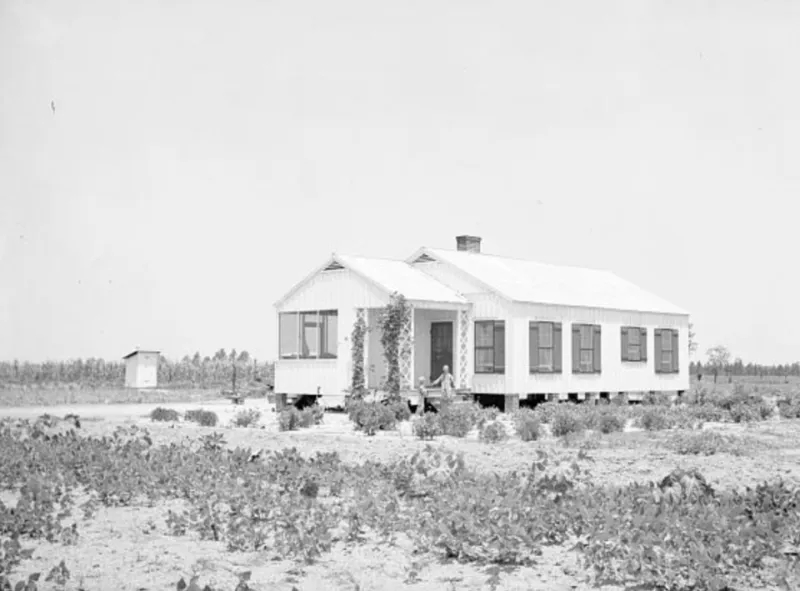
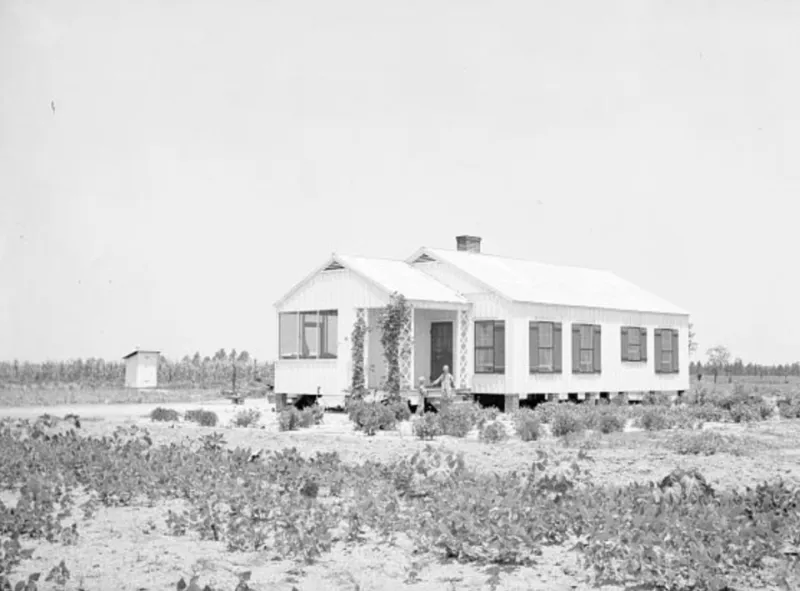
Photo: Mydans, Carl, photographer, CC BY-SA 4.0, via Wikimedia Commons
Let's be honest — one of the biggest draws of buying in Toomsboro is the price tag. Compared to what you'd spend in Atlanta, Macon, or even a mid-sized suburb, the numbers here feel almost too good to be true. A three-bedroom home on a half-acre? A farmhouse with outbuildings and a creek running through the back? You're not dreaming. Those deals exist, and they're very real.
But here's the part of the conversation that doesn't always happen at the closing table: the purchase price is just the opening act. Rural homeownership in a small community like Toomsboro comes with a specific set of ongoing costs that can quietly add up over time — costs that buyers coming from more urban or suburban backgrounds often don't budget for.
This isn't a scare piece. Toomsboro is genuinely one of the most affordable places to put down roots in Middle Georgia. But going in with eyes wide open means you'll actually be prepared to enjoy everything this community has to offer without getting blindsided six months after move-in.
What's Under the Yard: Septic Systems and Well Water
The majority of homes in Toomsboro aren't connected to a municipal sewer system or public water supply. That means you're working with a septic tank and a private well — and both require ongoing attention.
A properly maintained septic system can last 25 to 40 years, but "properly maintained" is doing a lot of heavy lifting in that sentence. Routine pumping typically runs $300 to $600 every three to five years, depending on tank size and household usage. If the drain field starts failing — a common issue in older rural properties — repairs can range from $3,000 to well over $10,000 depending on the scope.
Well systems are similarly low-drama until they're not. Pressure tanks, pumps, and water quality testing are all costs that city dwellers simply don't think about because they've never had to. A well pump replacement can run $1,500 to $2,500 or more, and if you're buying an older home, it's worth having the water tested for bacteria and mineral content before you sign anything.
Local home inspectors in the area consistently flag these systems as the top source of unexpected post-purchase expenses for buyers relocating from urban areas. The advice is pretty consistent: always get a dedicated septic inspection and a water quality test, separate from your general home inspection. It's a few hundred dollars upfront that can save you thousands.
The Contractor Gap: When Help Is Hard to Find
Here's something you don't read in the listing description: finding a licensed, available contractor in a small rural community can be genuinely challenging. Toomsboro and the surrounding Wilkinson County area have a limited pool of local tradespeople, and the good ones stay busy. When something breaks — and in an older home, something always eventually breaks — you may be waiting longer and paying more than you'd expect.
For specialty work like HVAC repair, electrical upgrades, or plumbing emergencies, contractors sometimes need to be brought in from Macon or Warner Robins. That travel time gets billed. Emergency calls on weekends or holidays can carry significant premiums. And if you're in the middle of a renovation project, lead times on materials and labor can stretch in ways that suburban buyers simply aren't used to.
The practical takeaway: budget a larger emergency repair fund than you think you need. Financial planners often suggest setting aside 1% of a home's purchase price annually for maintenance. In a rural setting with older infrastructure, bumping that to 1.5% or even 2% is a reasonable adjustment.
Miles Matter: The Real Price of the Commute
Toomsboro sits in a peaceful stretch of Middle Georgia, which is exactly the point for a lot of buyers. But peaceful and convenient are two different things. If you're working in Macon, you're looking at roughly 45 minutes each way under normal conditions. Warner Robins is comparable. Milledgeville is a bit closer.
That distance translates directly into vehicle wear, fuel costs, and time. At current gas prices, a daily round-trip commute of 80 to 100 miles adds up to several thousand dollars per year — before you factor in oil changes, tire wear, and the accelerated depreciation on your vehicle. For households with two working adults commuting in opposite directions, the math gets more significant fast.
This isn't unique to Toomsboro — it's a reality of rural living anywhere. But it's worth running the actual numbers for your household before comparing your potential mortgage payment to what you'd pay closer to the city. The gap in housing costs can absolutely still come out in Toomsboro's favor, but the commute cost belongs in the equation.
Internet and Services: Getting Better, But Still a Factor
Connectivity has improved in rural Georgia over the past several years, and parts of the Toomsboro area have seen meaningful upgrades. But depending on the specific property you're considering, high-speed internet access can still be inconsistent. For remote workers especially, this is a make-or-break issue that deserves a hard look before closing.
Ask specifically about what service providers reach the property, what speeds are available, and whether satellite-based options like Starlink are a realistic fallback. Some buyers have had great experiences with rural broadband; others have been frustrated. The only way to know for certain is to ask the current owners and verify independently.
Similarly, grocery runs, medical appointments, and everyday errands require more planning when you're 30 or 40 minutes from a full-service town. That's not necessarily a dealbreaker — plenty of Toomsboro residents genuinely enjoy the rhythm of stocking up and planning ahead — but it's a lifestyle shift worth acknowledging.
The Bottom Line: A Deal That Still Makes Sense
None of this is meant to talk you out of buying in Toomsboro. Quite the opposite. The goal is to help you buy smart, with a realistic picture of what ownership actually looks like over the long haul.
When you factor in septic and well maintenance, contractor costs, commuting expenses, and the occasional rural inconvenience, the total cost of ownership in Toomsboro is higher than the purchase price alone suggests. But here's the thing — even with all of that accounted for, many buyers find that the numbers still work strongly in their favor compared to suburban alternatives.
Lower property taxes, more square footage, actual land, and a quality of life that's genuinely hard to put a price on — those things count for a lot. The key is going in with a full picture rather than just the mortgage number.
Talk to a local agent who knows the specific quirks of properties in this area. Get the inspections done right. Build a realistic maintenance budget. And then make your decision with confidence, knowing you've done the math all the way through.