What Your Agent Grew Up Knowing: The Local Edge That Changes Everything in Toomsboro Real Estate
Photo: Donald Trung Quoc Don (Chữ Hán: 徵國單) - Wikimedia Commons - © CC BY-SA 4.0 International.(Want to use this image?)Original publication 📤: --Donald Trung 『徵國單』 (No Fake News 💬) (WikiProject Numismatics 💴) (Articles 📚) 22:38, 5 March 2020 (UTC), CC BY
There's a moment every out-of-town buyer eventually hits. They've done the Zillow deep-dive, run the comps, maybe even driven through Toomsboro on a Saturday afternoon. They feel ready. Then they make an offer on a property that looks great on paper — and six months later, they're dealing with a flooded backyard, a road that washes out every February, or a zoning shift that quietly killed their renovation plans before they even started.
This isn't bad luck. It's a knowledge gap. And in rural Middle Georgia, that gap is wide.
A License Gets You in the Door. Roots Get You the Deal.
Every licensed real estate agent in Georgia has passed the same exam, logged the same classroom hours, and can legally represent you in a transaction. That baseline matters. But in a community like Toomsboro — where the land itself has a personality, where families have owned the same parcels for four generations, and where a single infrastructure decision can quietly reshape property values — a license is just the entry fee.
What separates a genuinely useful agent here isn't their brokerage affiliation or their marketing budget. It's whether they know which creek behind that pretty farmhouse has a habit of jumping its banks in March. It's whether they've watched a particular stretch of road deteriorate for twenty years and know the county has been quietly planning to pave it. It's whether they grew up two streets over from the property you're about to buy.
That kind of knowledge doesn't live in a database. It lives in people.
Soil, Water, and the Things Nobody Lists in the MLS
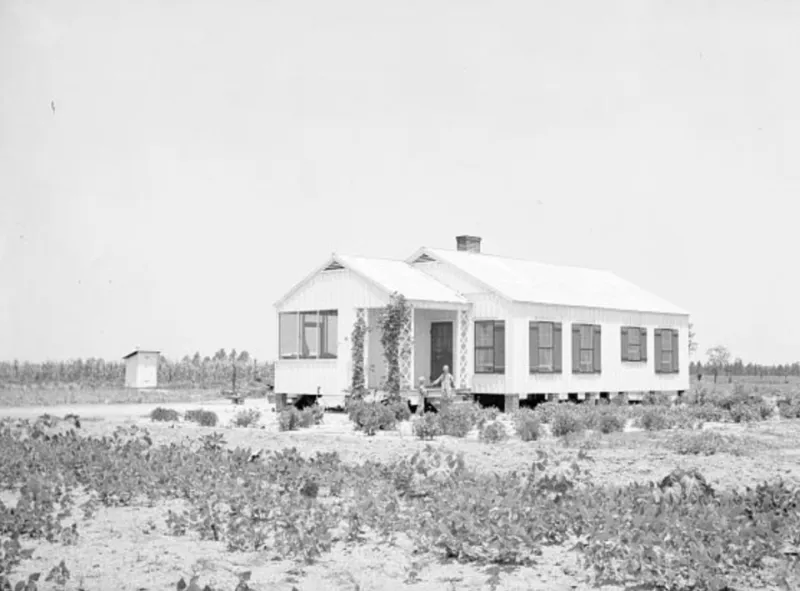
Wilkinson County sits on a geological patchwork that directly affects property values in ways that don't always show up in a home inspection. Clay-heavy soils in parts of Toomsboro can wreak havoc on septic systems and foundations over time. Certain low-lying parcels near the Oconee River basin experience seasonal saturation that turns a gorgeous piece of acreage into a headache from December through early spring.
A local agent who grew up farming or hunting this land knows these patterns intuitively. They've seen the wet spots. They remember the properties that flooded in 2009 and again in 2015. They know which sellers quietly regraded their land and which ones didn't.
For an investor or buyer coming in from Atlanta or Macon with satellite imagery and a soil survey, this is invisible. They're reading a map. A local agent is reading the actual terrain.
Zoning Changes and the Quiet Signals Most Buyers Miss
Rural real estate markets move on information — and in small towns, that information travels through relationships before it ever makes it into an official announcement. A local agent who serves on a county committee, coaches youth baseball, or has been selling property in Toomsboro for fifteen years is plugged into a network that out-of-town agents simply can't access.
Think about what that means practically. A rezoning proposal that could affect agricultural land near a target property. A county road improvement project that's been on the capital plan for two years. A developer quietly acquiring adjacent parcels. These signals shape the long-term value of what you're buying, and they're almost never visible on the surface.
Local agents aren't trading in rumors — they're embedded in the community in a way that makes them naturally aware of how Toomsboro is evolving. That awareness is worth real money to buyers who want to make decisions based on where a neighborhood is going, not just where it's been.
Neighborhood Dynamics You Won't Read About Online
Every community has its unwritten geography — the blocks that feel different at night, the streets where neighbors look out for each other, the pockets that are quietly turning over as new families move in. Toomsboro is no different, and those dynamics matter enormously when you're deciding where to put your money.
An agent who lives here knows which areas have seen quiet reinvestment over the last few years. They know the neighbors you'll inherit when you buy a particular property. They know which community anchors — the churches, the civic organizations, the longtime business owners — are keeping certain blocks stable and which areas are in flux.
This isn't gossip. It's context. And it's the kind of context that helps buyers make confident decisions rather than hopeful ones.
The Valuation Problem Nobody Talks About
Pricing rural property is genuinely hard, especially in a market like Toomsboro where comparable sales can be thin and properties are often genuinely unique. An agent relying purely on automated valuation models and recent comps is working with incomplete information.
A local agent supplements that data with something more nuanced: an intuitive sense of what buyers in this specific market actually value. They know that a particular road frontage matters more than square footage to the people who are actively buying here. They know that a well-maintained well and septic system is worth more in this market than a renovated kitchen. They know which features command premiums and which ones buyers will negotiate down.
That pricing instinct — built over years of watching deals close and fall apart in Toomsboro — protects sellers from leaving money on the table and protects buyers from overpaying for things the local market doesn't actually reward.
How to Find an Agent Who Actually Knows Toomsboro
When you're interviewing agents, skip the generic questions about marketing strategies and days on market. Ask them where they grew up. Ask them to describe the difference between two specific neighborhoods without looking at their notes. Ask them about a property they talked a client out of buying and why.
The answers will tell you everything. An agent who genuinely knows Toomsboro will have opinions, stories, and specific knowledge that goes well beyond their sales stats. They'll mention the name of the county road commissioner or reference a flooding event from eight years ago like it's common knowledge — because for them, it is.
In a market where local knowledge is the real competitive advantage, finding an agent with genuine roots here isn't just a nice-to-have. It's the smartest first move you can make.