Fixer-Upper or Money Pit? What Toomsboro Buyers Need to Know Before Swinging That Sledgehammer
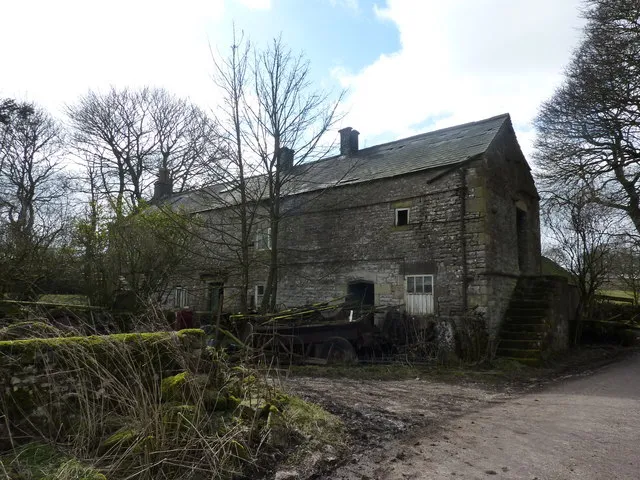
Photo: Peter Barr, CC BY-SA 2.0, via Wikimedia Commons
There's a certain magic to a beat-up old house in a place like Toomsboro. Wide front porch, original hardwood floors peeking through the grime, a price tag that makes your eyes go wide for all the right reasons. It's easy to stand in the yard and see the potential. The problem is that potential has a way of turning into invoices — and in rural Middle Georgia, those invoices can get complicated fast.
This isn't a scare piece designed to keep you away from renovation projects. Plenty of buyers have turned neglected Toomsboro properties into genuinely beautiful homes. But the ones who came out ahead all had one thing in common: they ran the real numbers before they committed. So let's do exactly that.
The Purchase Price Is Just the Opening Act
Here's where a lot of buyers stumble. They see a listing at $60,000 or $75,000, compare it to a move-in-ready home priced at $140,000, and do what feels like obvious math. But renovation budgets in rural Georgia rarely behave like spreadsheets.
A standard gut renovation on a 1,500-square-foot home — we're talking new roof, updated electrical, plumbing work, HVAC, kitchen, and bathrooms — can run anywhere from $80,000 to $130,000 depending on the condition of the structure and what surprises show up once walls come down. Add that to your purchase price and suddenly the "deal" is costing you more than the move-in-ready home down the road. And that move-in-ready home didn't come with eighteen months of stress.
The key costs buyers consistently underestimate in Toomsboro-area projects include:
- Foundation and structural work: Older homes in this part of Georgia often sit on pier-and-beam foundations that have shifted over decades. Repairs can range from a few thousand dollars to well over $20,000 depending on severity.
- Electrical upgrades: Pre-1970s homes frequently have wiring that won't pass modern code. A full rewire on a mid-sized house typically runs $8,000–$15,000.
- Septic system surprises: Rural properties often have aging or undersized septic systems. Replacement can cost $5,000–$12,000, and you won't know you need it until you're already under contract.
- Well and water quality: If the property runs on well water, testing and potential remediation aren't optional — they're essential. Budget accordingly.
Contractor Availability: The Hidden Timeline Killer
This is the part nobody puts in the listing description. Wilkinson County and the surrounding area have a limited pool of licensed contractors. The good ones — the people who show up on time, pull proper permits, and actually finish what they start — are busy. Sometimes very busy.
In metro Atlanta, you might wait two or three weeks to get a contractor on-site. In Toomsboro, it's not unusual to wait two or three months just to get a bid. If you're juggling multiple trades — electrician, plumber, roofer, HVAC technician — you may find yourself playing scheduling Tetris for the better part of a year. Each delay costs money, whether it's carrying costs on your loan, temporary housing, or simply watching materials you already purchased sit exposed to Georgia humidity.
Some buyers try to solve this by bringing in contractors from Macon or Warner Robins. That works, but expect to pay travel premiums, and know that coordinating out-of-town crews for a rural job adds its own layer of complexity.
Permitting in a Small Town Isn't Always Simple
Small-town government has a lot of charm. It also has limited staff. Wilkinson County's permitting process is manageable, but it runs on a different clock than what urban buyers might be used to. Permit approvals that might take a week in a suburban county can stretch to three or four weeks here, and if there are questions or revisions required, that timeline extends further.
For renovations that involve structural changes, additions, or significant electrical and plumbing work, you'll need permits — and skipping them isn't a clever workaround. Unpermitted work can create serious problems when you go to sell the property, and in some cases, buyers have been required to tear out completed work and redo it with proper inspections. That's an expensive lesson.
Factor permitting timelines into your project schedule from day one, not as an afterthought.
Material Sourcing: When You're Not Near a Big Box Store
Toomsboro is about 30 miles from Milledgeville and roughly 50 miles from Macon. That's manageable, but it changes how a renovation project flows. When you're mid-project and realize you need a specific fixture, a particular type of lumber, or specialty tile, you're not making a quick 10-minute hardware run. You're planning a trip, or you're waiting on delivery.
Shipping delays and delivery surcharges for rural addresses are real. If you're ordering custom cabinetry, specialty windows, or any kind of made-to-order materials, build extra lead time into your schedule. Supply chain hiccups that might be minor inconveniences in a city can stall a rural renovation for weeks.
So When Does a Fixer-Upper Actually Make Sense?
All of that said — renovation projects in Toomsboro absolutely can work. The math tips in your favor under a few specific conditions:
The structure is fundamentally sound. A house with good bones — solid foundation, intact roof, no major moisture damage — is a very different project than one that needs to be rebuilt from the inside out. A thorough pre-purchase inspection by someone who knows older rural construction is non-negotiable.
You have real contingency money. Not "I think I can stretch the budget" money — actual cash reserves equal to 20–30% of your renovation budget sitting in an account before you start. Surprises are not the exception in old homes. They're the rule.
You're not in a hurry. If you need to be in a home by a specific date, a fixer-upper in a rural area is a high-risk bet. If you have flexibility and patience, the timeline pressure eases considerably.
You've gotten real contractor bids before closing. Not estimates from YouTube videos or national averages from renovation websites — actual bids from actual contractors who've walked the property. This step alone separates buyers who end up happy from buyers who end up overwhelmed.
The Honest Comparison
Let's put it plainly. A $70,000 fixer-upper that needs $90,000 in work is a $160,000 home — one that took 18 months and significant stress to become livable. A $140,000 move-in-ready home lets you unpack your boxes and get on with your life.
Neither choice is universally right. It depends on your budget, your timeline, your tolerance for uncertainty, and whether you genuinely enjoy the process of bringing a property back to life. Some people do. For others, that charm wears off fast when the third contractor ghosts them in month six.
The smartest thing you can do before making that call is talk to someone who knows this market. A local agent who's seen renovation projects succeed and fail in Toomsboro can give you a reality check that no online calculator will. That conversation — before you fall in love with a listing — might be the most valuable one you have.