Miles, Money, and Mindset: How Commute Distance Shapes Your Toomsboro Home Investment
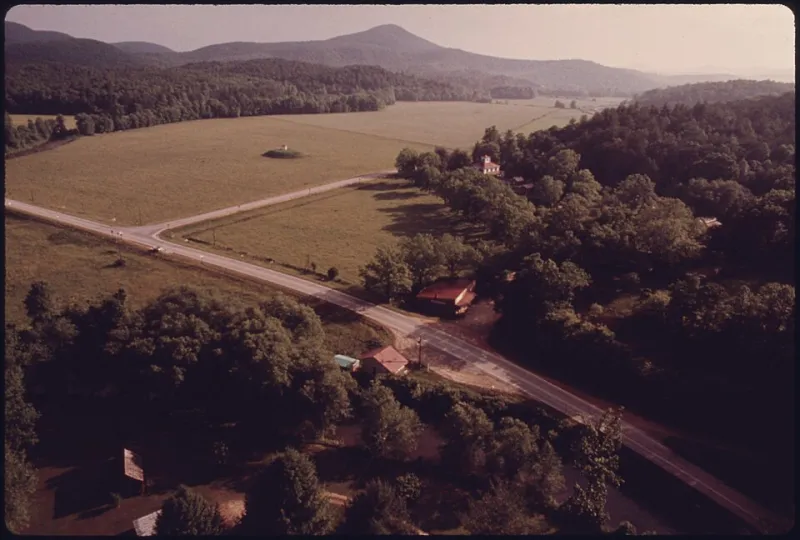
Photo: Al Stephenson, Public domain, via Wikimedia Commons
There's a number most home buyers forget to run. They'll obsess over the mortgage payment, stress about property taxes, maybe even build a spreadsheet tracking closing costs down to the last dollar. But the one figure that quietly shapes daily life — and long-term satisfaction — often gets skipped entirely: the commute.
If you're seriously considering buying in Toomsboro, that number deserves a hard look. Not because the drive is a dealbreaker, but because understanding it fully is what separates a great decision from a frustrating one.
Where Toomsboro Actually Sits on the Georgia Map
Toomsboro is tucked into Wilkinson County in central Georgia, roughly 35 miles southeast of Milledgeville and about 100 miles southeast of Atlanta. Macon, one of Georgia's larger metro hubs, sits approximately 45 miles to the southwest via US-129 and I-16. Warner Robins — home to Robins Air Force Base and a significant employment corridor — is around 40 miles away.
Those numbers matter. Forty to fifty miles in rural Georgia isn't the same as forty miles in metro Atlanta traffic. On a clear weekday morning, the drive from Toomsboro to Warner Robins can run 45 to 55 minutes with minimal congestion. Macon is similar. Compare that to someone living in a suburb just 20 miles outside Atlanta who's still sitting in stop-and-go for over an hour each way, and suddenly Toomsboro's position looks a lot more competitive than the raw mileage suggests.
The Real Fuel Math
Let's put some actual numbers to this. At current national average gas prices hovering around $3.20 to $3.50 per gallon (figures that fluctuate, so always check current rates), a round-trip commute of roughly 90 miles — say, Toomsboro to Warner Robins and back — in a vehicle averaging 28 miles per gallon costs somewhere in the range of $10 to $11 per day. Over a standard 250-workday year, that's $2,500 to $2,750 annually just in fuel.
That's not a trivial number. But here's the context that matters: buyers who move to Toomsboro from Macon or Atlanta suburbs are often saving $50,000 to $100,000 or more on the purchase price of a comparable property. Even after accounting for five to seven years of fuel costs, the math frequently favors the Toomsboro buyer — especially when you factor in lower property taxes, reduced homeowner's insurance premiums, and the simple absence of city fees and congestion charges.
Vehicle wear is worth considering too. Higher mileage means more frequent oil changes, tire rotations, and eventually faster depreciation. A realistic annual vehicle maintenance premium for a longer rural commute might add another $800 to $1,500 per year depending on your car and driving habits. Budget for it, and it's manageable. Ignore it, and it becomes a surprise.
Work-From-Home Changes Everything
The pandemic-era shift toward remote and hybrid work hasn't fully reversed, and that's genuinely good news for Toomsboro buyers. If you're working from home even two or three days per week, the effective commute burden drops significantly. A 50-mile drive that happens twice a week instead of five times a week is a completely different lifestyle equation.
This is a big reason why buyers relocating from Atlanta and other urban centers have been eyeing central Georgia with increasing seriousness. When the office requirement softens, the calculus shifts away from proximity and toward quality of life, square footage per dollar, and outdoor space — categories where Toomsboro competes aggressively.
If your employer offers hybrid flexibility, it's worth mapping out exactly what your weekly drive schedule looks like before you buy. Two or three commute days per week changes the fuel math, the wear math, and honestly the emotional math too.
How Location Strategy Affects Resale Value
Here's a point that doesn't come up enough in buyer conversations: your commute experience isn't just a lifestyle factor — it's a resale factor.
Properties that sit within a reasonable drive of major employment hubs tend to hold value more reliably than those in truly isolated locations. Toomsboro's position — close enough to Warner Robins, Macon, and even Dublin to attract working households, but far enough to offer genuine rural character — is actually a meaningful asset on a future listing.
When you eventually sell, your buyer pool includes not just retirees and remote workers but also commuters who've done the same math you're doing now and decided the trade-off works. That broader pool of potential buyers supports stronger demand and more stable pricing over time.
Conversely, properties in areas with no realistic employment access within a reasonable drive tend to attract a narrower buyer segment, which can mean longer days on market and more price pressure when you're ready to sell.
The Intangible Side of the Equation
Numbers are useful, but they don't capture everything. There's something worth acknowledging about what a long commute does to a person over time — and what a short one doesn't.
Buyers who've made the move to rural central Georgia and kept jobs in Macon or Warner Robins frequently describe a psychological shift that surprised them. The drive home — through open farmland, past pine stands, with actual sky visible — functions differently than crawling through suburban sprawl. It's not for everyone, but for a meaningful share of buyers, it becomes part of the rhythm they moved here for.
That said, be honest with yourself. If you're someone who finds any commute draining regardless of scenery, a 45-minute drive will wear on you. The goal here isn't to sell you on the commute — it's to make sure you've thought it through clearly before you commit.
Questions to Ask Before You Buy
Before you fall in love with a property, run through a few practical checks:
- Where exactly will you be driving? Map your specific commute from the actual property address, not just from Toomsboro generally.
- What's the route like in bad weather? Central Georgia doesn't get brutal winters, but rain, fog, and the occasional ice event can affect rural roads differently than interstates.
- How does your employer's remote policy look long-term? Don't assume current flexibility is permanent if it isn't written into your arrangement.
- What's your vehicle situation? If you're planning to buy a home and also need a new car in the next two years, factor both purchases into your overall budget.
- Are there carpooling options or park-and-ride access near your workplace? Warner Robins in particular has some options worth exploring.
The Bottom Line
Toomsboro's location isn't a compromise — it's a calculation. And for buyers who run the numbers carefully, it often comes out favorably. The key is doing that math honestly, accounting for both the financial costs and the daily reality of the drive, before you close.
A home here can absolutely deliver on its promise: more space, more value, and a quieter pace of life. Just make sure the miles between here and your office are part of the plan from day one — not a surprise you're adjusting to on day ninety.
Ready to start looking at specific listings and think through the location strategy that fits your life? Browse current properties at ToomsboroForSale.com and connect with an agent who knows this market — and this commute — firsthand.