Old Bones, New Opportunity: Your Complete Guide to Buying a Character Home in Toomsboro
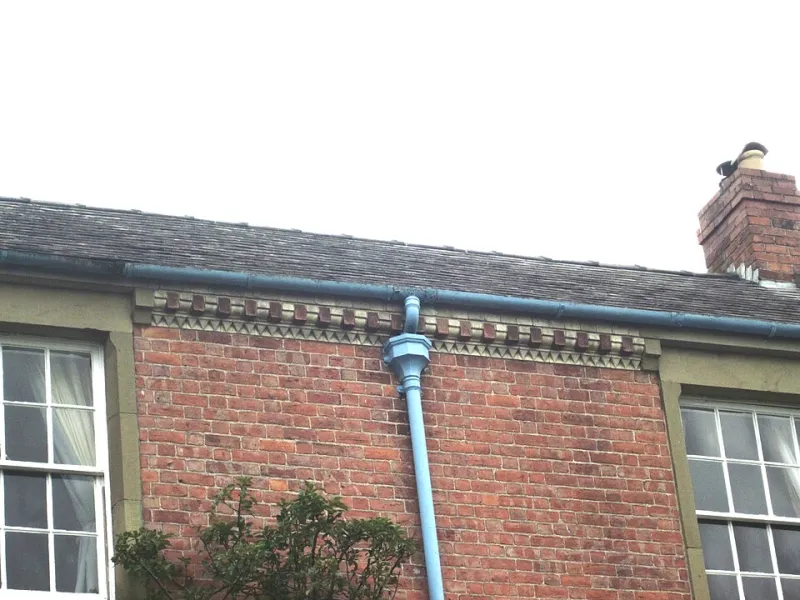
Photo: Tyssil, CC BY-SA 4.0, via Wikimedia Commons
There's a certain kind of buyer who walks into a house with original hardwood floors, 10-foot ceilings, and a wraparound porch — and just gets it. They're not intimidated by the wavy glass in the old windows or the fact that the kitchen hasn't been updated since the Clinton administration. They see potential. They see character. They see a home that has a story.
If that sounds like you, Toomsboro might be exactly where you need to be looking.
This small Wilkinson County town is home to a surprising variety of older properties — Victorian-influenced homes from the late 1800s, early-20th-century craftsman bungalows, classic Southern farmhouses with acreage, and everything in between. For buyers who appreciate craftsmanship, history, and the kind of architectural detail that simply isn't built anymore, the Toomsboro market offers genuine gems at prices that feel almost too good to be true.
Here's what you need to know before you start making offers.
What "Character Home" Actually Means (and Why It Matters)
Real estate agents toss around the phrase "character home" pretty freely, so let's get specific. In the context of Toomsboro and central Georgia, a character home generally refers to a property built before the mid-20th century that retains meaningful original architectural features.
Think: decorative millwork and trim details, original heart pine or oak flooring, transom windows above doorways, deep front porches with turned wood columns, brick exterior construction, or the kind of substantial solid-wood doors you just don't find in new builds. These aren't just aesthetic perks — they're markers of quality craftsmanship from an era when materials were dense, construction was deliberate, and homes were built to last generations.
The distinction matters for buyers because character homes carry both unique appeal and unique considerations. Understanding both sides of that equation is the key to making a smart purchase.
A Quick Tour of Toomsboro's Architectural Styles
Victorian and Queen Anne Influences
Some of Toomsboro's oldest surviving homes reflect the Victorian-era building styles that were popular across the American South in the late 1800s. These properties often feature asymmetrical facades, decorative gingerbread trim, steep rooflines, and bay windows. When well-maintained or thoughtfully restored, they're genuinely stunning — the kind of homes that stop people on the sidewalk.
Finding one in good structural condition is the challenge. The best examples have had attentive owners over the decades. When you encounter one that's been cared for, it's worth serious consideration.
Classic Southern Farmhouses
Perhaps the most common character property type in and around Toomsboro, the traditional Southern farmhouse is a style that has had a massive cultural moment in recent years — and for good reason. These homes are practical, durable, and deeply appealing. Wide covered porches, metal roofs, generous room proportions, and often substantial land parcels are the hallmarks.
Farmhouses in the Toomsboro area range from properties that have been fully updated with modern kitchens and bathrooms while preserving their original charm, to true fixer-uppers that need significant work but offer incredible bones and acreage at very accessible price points.
Craftsman Bungalows
Built primarily in the early to mid-20th century, craftsman bungalows are beloved for their built-in cabinetry, exposed rafter tails, tapered porch columns, and cozy, efficiently laid-out floor plans. These homes tend to be easier to renovate than larger Victorian properties and often require less structural work. They're a popular entry point for first-time buyers interested in the character home market.
The Investment Case for Buying Historic in a Small Town
Here's where things get genuinely interesting from a financial perspective.
In major metros, restored historic homes command significant premiums. A fully renovated Victorian in Savannah's historic district or a craftsman bungalow in an established Atlanta neighborhood can fetch prices that rival new construction — sometimes exceed it. The demand for authentic character and history in housing is real and growing.
In Toomsboro, that market dynamic hasn't fully played out yet. You can still purchase a property with legitimate historic character and architectural distinction at prices that reflect a small-town rural market rather than a premium heritage listing. For buyers willing to do some work — or to invest in professional renovation — the gap between purchase price and long-term value can be substantial.
That's not a guarantee, and real estate always carries risk. But the fundamental logic of buying quality bones in an undervalued market before that market matures is sound. And Toomsboro's growing profile as a relocation destination for remote workers and families adds a demand-side element to that equation.
What to Look For (and What to Watch Out For)
The Good Stuff
- Original flooring: Heart pine and old-growth oak floors are incredibly durable and beautiful. If they're intact under carpet or old vinyl, that's a major plus.
- Solid masonry: Older brick construction in good condition is a genuine asset — thermally efficient, low maintenance, and visually distinctive.
- Quality original trim and millwork: Replacing this stuff with period-appropriate materials is expensive. If it's there and intact, value it accordingly.
- Functional original windows: Wavy glass single-pane windows are charming but inefficient. However, storm windows can dramatically improve their performance without destroying the aesthetic.
The Things That Deserve Careful Inspection
- Foundation: This is non-negotiable. Have a structural engineer — not just a general home inspector — evaluate the foundation of any older property you're serious about. Settlement, shifting, and moisture issues are common in central Georgia's clay-heavy soils.
- Electrical systems: Homes built before the 1960s may have knob-and-tube wiring or early panel setups that don't meet modern code and can present fire risks. Budget for a full electrical update if the system hasn't been modernized.
- Plumbing: Galvanized steel pipes from the early 20th century have a finite lifespan. Cast iron drain lines, while durable, can deteriorate. Know what you're working with.
- Roof condition: Metal roofs on older farmhouses can last 50+ years with proper maintenance. Older asphalt shingles may be at or past end of life. Either way, get a clear picture of remaining roof life before closing.
- Lead paint and asbestos: Standard disclosures apply, but for homes built before 1978, budget for testing and remediation if you're planning significant renovation work.
Practical Tips for First-Time Historic Home Buyers
1. Get a specialized inspection. A standard home inspection is a starting point, not a finish line for older properties. Consider bringing in specialists for structural assessment, electrical review, and plumbing evaluation.
2. Budget a renovation contingency. A common rule of thumb is to set aside 10–20% of the purchase price for unexpected repairs and updates. With older homes, that cushion is genuinely useful.
3. Research renovation resources. Georgia has historic preservation tax incentives at both the state and federal level for qualifying properties. If a home is eligible for the National Register of Historic Places or a local historic district designation, renovation tax credits can meaningfully offset your costs. Talk to a local tax professional about what might apply to your situation.
4. Find contractors who know old construction. Not every contractor is comfortable working with older building techniques and materials. Ask specifically about their experience with historic or older home renovation before hiring.
5. Think about what you want to preserve vs. update. The best character home renovations respect the original architecture while thoughtfully integrating modern comfort and function. Having a clear vision — and a designer or contractor who shares it — makes all the difference.
Ready to Start Your Search?
Toomsboro's character home inventory is genuinely one of the most interesting things about this market. These are properties with personality, with history, and with the kind of quality that newer construction rarely matches. They're also available at prices that make the investment math work in ways that simply aren't possible in larger Georgia markets.
Browse our current listings at Toomsboro For Sale to see what's available right now — and if you have questions about evaluating a specific property or understanding the local market, our team is here to help you navigate every step of the process.