No City Pipes? No Problem: The Rural Buyer's Guide to Inspecting Toomsboro Homes Off the Grid
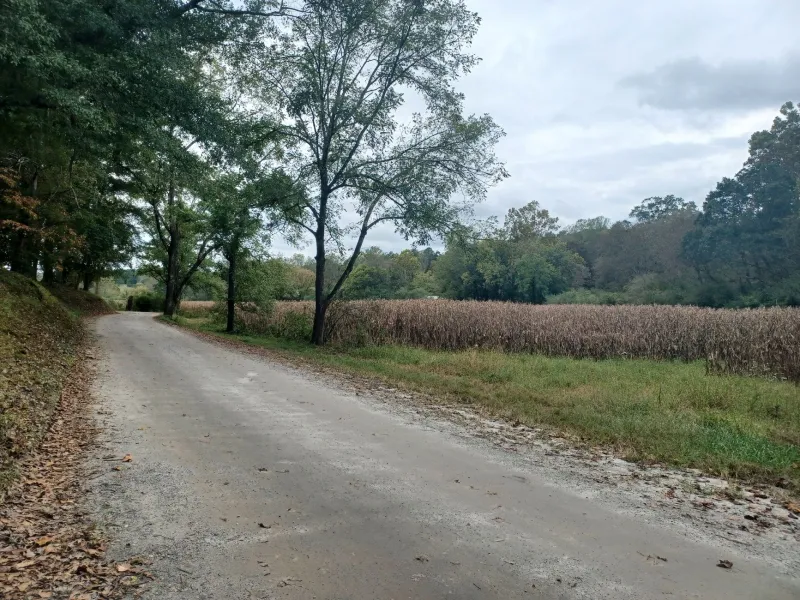
Picture this: you've found a charming two-story farmhouse just outside Toomsboro, priced well below anything you'd find near Macon. The listing photos are gorgeous. But there's a line in the listing that should stop you cold if you're coming from the city: "private well, septic system, gravel road access."
None of that is a dealbreaker. In fact, it's the norm for a lot of Wilkinson County property. But it does mean your inspection process needs to cover things most suburban buyers have never thought about. Here's your practical checklist.
Start With the Well, Not the Kitchen
When a home isn't on municipal water, the well is arguably the most important system on the property — more than the HVAC, more than the roof.
What to check:
- Water quality testing. Ask for a recent lab test covering bacteria (total coliform and E. coli), nitrates, pH, and minerals. If the seller doesn't have one, order your own — a basic potability test typically runs $50–$150 through a Georgia-certified lab.
- Well depth and yield. A shallow well that struggles during a dry August is a real problem in Middle Georgia. Ask for the well log if it exists, and find out the recovery rate.
- The wellhead itself. The cap should be intact and above grade, ideally 12+ inches, sloping away so surface water can't pool around it.
If the well is old or the pump is original, price a replacement into your offer. A new pump and pressure tank can run $1,500–$3,000; a new well drilled, considerably more.
The Septic System: Out of Sight, Out of Budget
Nobody wins a bidding war over septic talk, but ignoring it is how buyers end up with a $10,000 surprise two years in.
Ask for three things:
- Permits and records. The Wilkinson County health department can tell you whether the system was permitted and how many bedrooms it's rated for. If a previous owner added bedrooms or finished a basement, the system may be undersized.
- Age and last pump-out. Most tanks need pumping every 3–5 years. A system that's never been pumped is a gamble; a system with no records at all is a bigger one.
- A camera or dye inspection. A licensed septic inspector can check the tank, baffles, and drain field. Look for soggy spots, unusually lush grass, or sewer odors over the drain field — those are classic failure signs.
Also confirm where the drain field actually is. You can't build a shed, pool, or garden over it, and you should know before you buy, not after.
Easements and Property Lines: Read Before You Roam
Rural parcels often come with strings attached that never appear in the listing photos.
- Access easements. If your driveway crosses a neighbor's land — or theirs crosses yours — get the recorded easement and read it. Does it allow maintenance? Can it be transferred to you as a buyer?
- Utility easements. Power lines, pipelines, and drainage ditches may limit where you can build or fence.
- A current survey. Fences and actual property lines don't always match in rural Georgia. A new survey costs money but can save a boundary dispute that costs far more.
Your title attorney and closing agent are your friends here. A title search will surface recorded easements; it won't surface the neighbor who's been hunting "your" back forty for thirty years — so walk the property with the seller and ask questions.
Gravel Roads and Maintenance Agreements
If the home sits on a private or unpaved road, find out who maintains it. Some rural roads have a formal road maintenance agreement, where each property owner pays a share for grading, gravel, or culvert repairs. Others run on handshakes — which work great until they don't.
Questions to ask:
- Is the road maintained by the county or the residents?
- Is there a written agreement, and is it recorded?
- How passable is the road after a heavy Georgia rainstorm? Ask a neighbor, not just the seller.
Lenders sometimes require a recorded road maintenance agreement before financing a property with private access, so this one can affect your mortgage, not just your weekends.
A Few Extras Worth Checking
- Drainage and standing water. Walk the lot after rain if you can. Rural low spots that hold water breed mosquitoes and undermine foundations.
- Propane, electric, and internet. Confirm what utilities exist and what it costs to bring them. And yes — check actual internet speeds, not just availability, especially if you work remotely.
- Outbuildings. Barns and sheds may not be permitted or insured the same way as the house.
The Bottom Line
Rural homeownership in Toomsboro is absolutely doable, and for most buyers it's the whole point — space, quiet, and a lower cost of living. But the systems that make it work don't come with a city maintenance department behind them. Spend a few hundred dollars on the right inspections now, and you'll spend a lot less worrying later.
Bring this checklist to your agent, and don't be shy about asking sellers for records. Around here, the good ones have them ready.


